Much like in any other industry, wine logistics is absolutely crucial in the wine trade.
It’s not just about the dollars and cents; it’s a genuine challenge that requires savvy organization and top-notch professionalism to keep everything running smoothly.
Today, wine isn’t just enjoyed where it’s made. It’s often bottled up elsewhere and shipped to urban areas and big cities for consumption. This makes logistics even more crucial.
The challenges of wine transport
While it may seem straightforward, transporting wine comes with its fair share of hurdles.
Most often, wines travel by sea, with shipping companies opting for containers placed below deck to minimize movement and maintain a cool temperature.
Sometimes, a thermal kit is added to prevent temperature fluctuations when exposed to heat. For delicate and expensive wines, some importers even go for refrigerated containers, despite the higher cost.
Air transport is reserved for urgent shipments or delicate wines requiring swift delivery. Although costly, air transport offers shorter delivery times and better control over environmental conditions.
Quality storage during transport
Storage quality during transport depends on various factors:
- the complete bottle itinerary;
- the time of year of shipment;
- the transport mode;
- packaging.
However, the most critical factor for proper preservation is maintaining a controlled temperature.
Precautions for wine transport
In wine logistics, you must ensure three key things before shipping:
- proper bottle packaging;
- strict temperature control throughout adherence to storage;
- transport conditions.
Packaging bottles
Knowing how to properly package bottles is crucial for choosing the best way to transport wine.
Read our in-depth article on wine packaging.
Bottles can easily break if not packaged correctly.
Controlled temperature
Temperature control is vital to ensure wine preservation during transport. The ideal temperature for wine containers is between 10 and 20 degrees Celsius, with an acceptable range of 5 to 25 degrees. Beyond this range, wine may be damaged.
Storage and transport conditions
In the wine industry, meeting specific storage and transport requirements is vital because wine is both fragile and perishable. Having the right export documentation is also essential to ensure smooth customs clearance.
Wine transport modes
After understanding the central points of wine logistics, let’s explore the best transport and shipping options.
Maritime transport
Maritime transport is widely used for long-distance wine transport, offering benefits such as the ability to move large quantities of goods and stable temperature conditions. Containers are designed to protect wine from vibrations, impacts, and temperature variations.

Air transport
Air transport is often used for urgent shipments or delicate and high-value wines requiring swift delivery. Although expensive, air transport offers advantages like shorter delivery times and better environmental condition control.

Truck transport
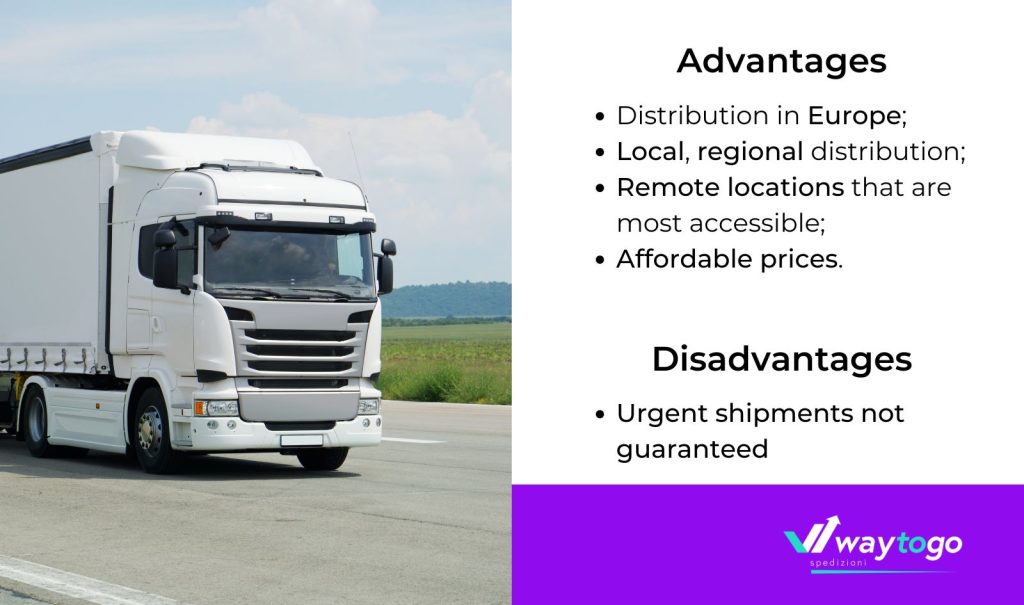
Truck transport is commonly used for local or regional wine distribution, providing flexibility in delivery times and accessibility to destinations not easily reached by other transport modes.
Factors influencing transport mode choice
The choice of wine transport mode depends on factors:
- the destination distance
- delivery urgency
- wine quantity and characteristics, requiring careful consideration and possibly consultation with knowledgeable advisors or companies specializing in wine transport logistics.
The role of transport in wine valorization
As emphasized earlier, transport plays a crucial role in wine valorization by ensuring the product reaches consumers without issues and in optimal conditions. Working with experts like Way To Go, known for their commitment to safe and reliable wine transport, is advisable to preserve wine quality and ensure customer satisfaction.
Conclusion
Competence and experience in wine logistics and transport significantly contribute to product valorization, commercial success, and the entire supply chain’s enhancement. With proper service and professionalism in wine logistics, wine can reach consumers in optimal condition, allowing enthusiasts to appreciate it to the fullest. Cheers to that!